
Why Hard Design Elements Matter In Your Home
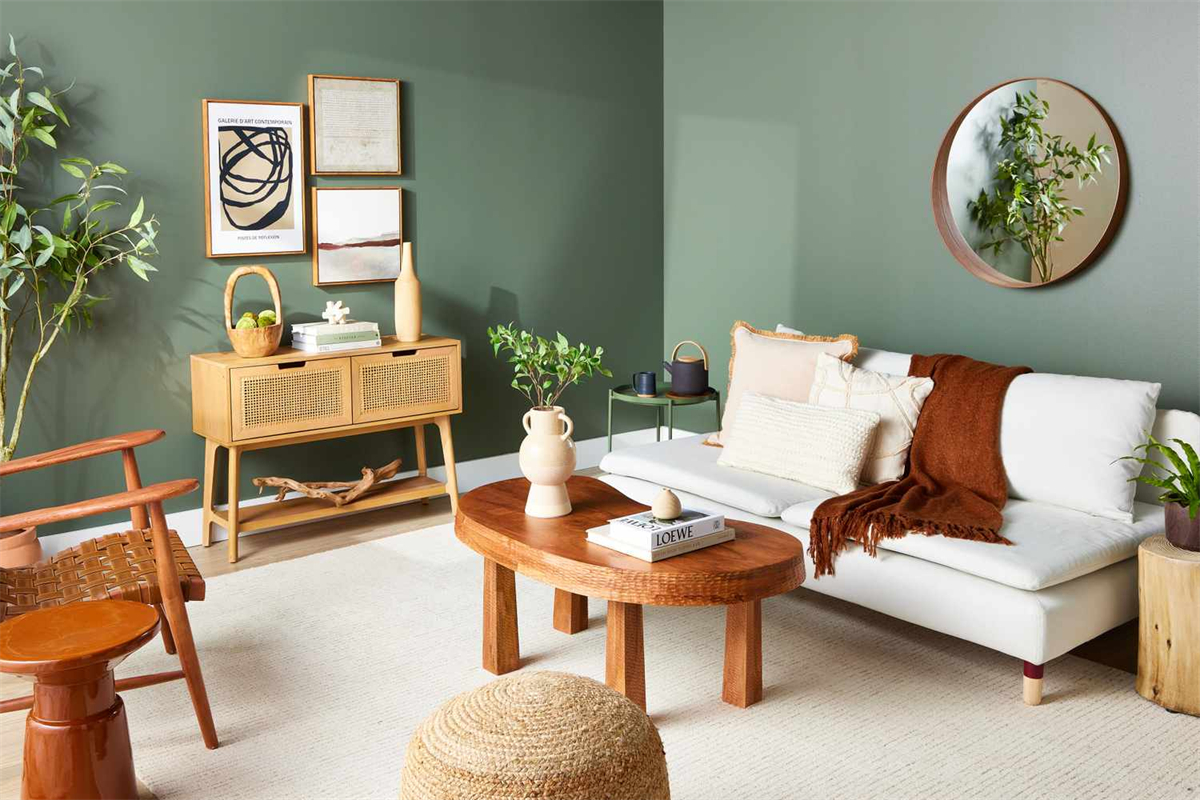
One of the first things to consider is the flooring. The choice of materials can set the tone for an entire room. Hardwood floors offer warmth and timeless elegance, while tiles can provide a sleek and modern look. Each option comes with its own set of benefits and challenges. For instance, hardwood is durable and can be refinished, but it may not hold up as well in areas prone to moisture. On the flip side, tiles are water-resistant and easy to clean, making them ideal for kitchens and bathrooms. Selecting the right flooring involves balancing aesthetics with practicality to ensure your space meets your lifestyle needs.
Cabinetry is another essential hard design element that can transform a room. Whether in the kitchen, bathroom, or living area, cabinets provide both storage and style. Custom cabinetry allows for personalization, ensuring that your storage solutions fit seamlessly into your space. Choosing materials and finishes that complement the overall design theme enhances the visual appeal. For example, sleek, high-gloss finishes can create a modern look, while distressed wood offers a rustic charm. Thoughtful cabinet design not only maximizes storage but also contributes to the room’s character.
Walls and ceilings often get overlooked, yet they are critical in defining a space. The choice of paint color, wallpaper, or even paneling can dramatically change the atmosphere. Light colors can make a room feel more open and airy, while darker shades can create a cozy, intimate environment. Adding texture through materials like wood paneling or stone can introduce depth and interest. These hard design elements work together to create a cohesive look that reflects personal style.
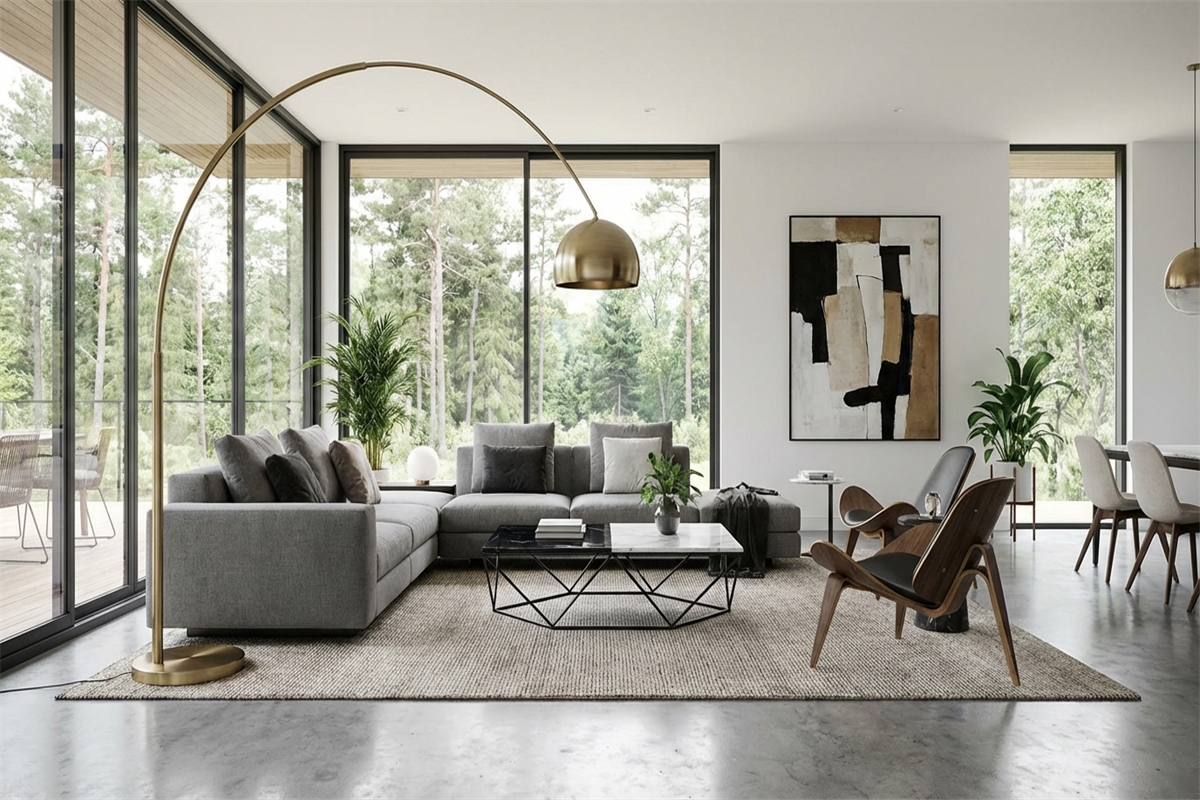
Lighting fixtures also fall under the category of hard design elements. The right lighting can highlight architectural features and set the mood for a room. Chandeliers, pendant lights, and recessed lighting all serve different purposes and can be selected to enhance the overall design. Choosing fixtures that align with your home’s style not only improves functionality but also adds a layer of sophistication.
Incorporating hard design elements doesn’t just focus on aesthetics; it also involves considering sustainability. Opting for eco-friendly materials can make a positive impact on the environment while enhancing the home’s appeal. Sustainable choices in flooring, cabinetry, and fixtures can contribute to a healthier living space and reduce your carbon footprint.
The layout of hard design elements plays a significant role in how a space feels and functions. Open floor plans promote flow and connectivity, while defined spaces can create intimacy and purpose. Thoughtful placement of furniture and hard elements ensures that the space is both functional and inviting.
Emphasizing hard design elements in your home can lead to a more cohesive, functional, and beautiful living environment. By carefully selecting materials and considering their impact on both style and function, you can create a space that truly feels like home.
One of the first things to consider is the flooring. The choice of materials can set the tone for an entire room. Hardwood floors offer warmth and timeless elegance, while tiles can provide a sleek and modern look. Each option comes with its own set…